
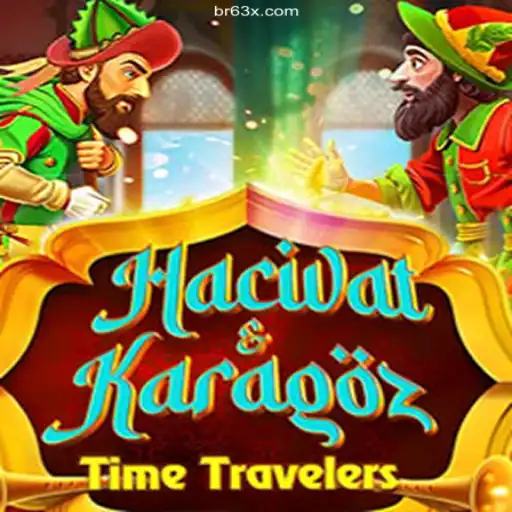
HacivatandKaragoz: A Journey into the Past
The rich tapestry of human history is woven with threads of stories and legends that have been passed down through generations. One such captivating narrative is that of HacivatandKaragoz. This traditional game, rooted in the cultural soil of Turkey, invites players to partake in a whimsical adventure filled with humor, wit, and strategic prowess. Originally based on the ancient shadow play, HacivatandKaragoz has evolved to become a symbolic reflection of Turkish storytelling artistry.
The Origin of HacivatandKaragoz
HacivatandKaragoz emerged during the Ottoman Empire, a vibrant period when oral traditions and theatrical performances thrived as a means of entertainment and education. The characters Hacivat and Karagöz, central to this game, are inspired by ancient shadow puppetry, which became a popular form of amusement during the 16th century. As with many forms of cultural expression, the game has seen adaptations over the decades, transforming from a shadow play to an interactive board game enjoyed by audiences worldwide.
Gameplay and Rules
The objective of HacivatandKaragoz is to engage players in a narrative where strategy meets humor. Players assume the roles of Hacivat and Karagöz, each characterized by unique traits. While Hacivat is depicted as an educated and sophisticated character, Karagöz brings humor with his down-to-earth, sometimes mischievous, personality. This dynamic duo forms the core of the game’s appeal.
To begin, participants are divided into two teams, each representing one character. The game board features intricate layouts resembling a traditional Turkish bazaar, where players navigate their characters through challenges and interactions that reflect urban life during the Ottoman era. The board is filled with vibrant illustrations and paths that direct players towards achieving their character's objectives, incorporating elements of chance and choice.
The game commences with the roll of dice, which determines the movement across the board. Each square holds a unique task or riddle, challenging the player's strategic thinking and improvisational skills. Strong analytical skills and a clever use of wit pave the path to victory, with rewards symbolizing significant historical and cultural achievements of the era.
Special Challenges and Cards
HacivatandKaragoz incorporates a set of special challenge cards and events that mimic popular stories and fables. These cards introduce scenarios that require players to collaborate or compete, fostering an engaging and interactive atmosphere. A key feature of these challenges is the opportunity for players to pass secret messages using modern technology, a nod to the blend of tradition and contemporaneity.
Incorporating elements reminiscent of shadow puppetry, these challenges often require players to display their imagination, using gestures or vocal performances to depict scenarios, echoing the game's roots in theatrics. This blend of verbal and non-verbal storytelling keeps players captivated while ensuring an inclusive experience where imagination thrives.
Educational Benefits and Cultural Significance
The educational value of HacivatandKaragoz cannot be understated. It serves as an engaging tool for learning about Turkish culture, language, and history. Through its dialogues and scenarios, players gain insights into the societal norms, idiomatic expressions, and cultural symbols prevalent during Ottoman times. This makes the game not only an entertainment medium but also an invaluable educational resource.
Furthermore, by participating in HacivatandKaragoz, players develop skills such as critical thinking, teamwork, and decision-making. The strategic elements of the game promote competitive yet cooperative play, where players must balance their personal goals with team benefits.
Current Events: Bridging Past and Present
In a world increasingly dominated by digital interactions, games like HacivatandKaragoz offer a refreshingly tactile and interactive experience. As part of a broader cultural revival, there have been initiatives to integrate traditional games into modern educational curricula, particularly across regions interested in the Turkish cultural diaspora. Additionally, the game's adaptability has seen it branch into digital formats, allowing a broader audience to engage with its rich narrative framework.
The intertwining of tradition with modernity, as seen in HacivatandKaragoz, mirrors current global efforts to preserve cultural heritage while embracing technological advancements. This trend is evident in initiatives to digitize traditional arts, ensuring that they remain relevant and accessible to future generations.
Conclusion
HacivatandKaragoz serves as a celebration of tradition met with the vibrancy of modern gaming principles. The game provides an enriching experience, bringing players closer to a pivotal era of cultural fermentation. Through laughter, challenges, and storytelling, HacivatandKaragoz remains an enduring testament to humanity's innate desire to connect and educate through the art of play.